Reef Ball Foundation Photos and Project Description Database


Only Search Reef Ball Photos and Project Database
Up one level Geographical Database for photos, videos, GPS Coordinates, news, and project descriptions. » Malaysian Reef Ball Projects and Photos » East Malaysia [Borneo] (Includes Sabah & Sarawak) » Sabah » Sandakan (Includes Turtle Islands) » turtleislands » Pulau Silingaan (Silingaan Island) » sandsieveanalysis

sandsieveanalysis


formal
Explore this folder
formal  |  Total images: 0
rawpics
Explore this folder
rawpics  |  Total images: 60
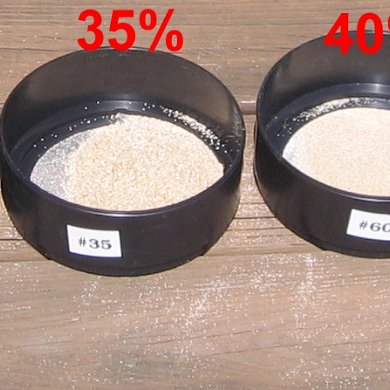
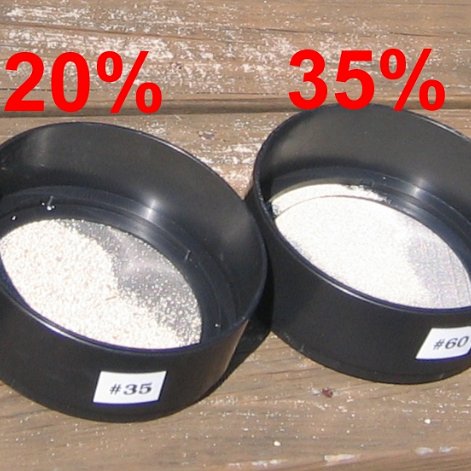
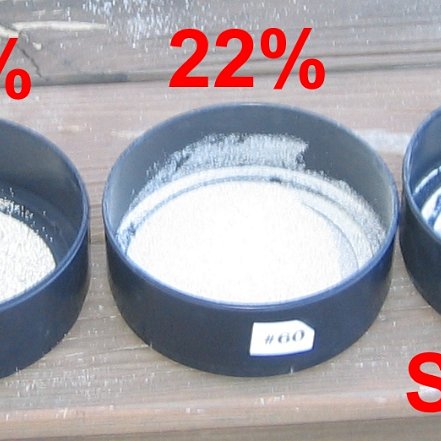
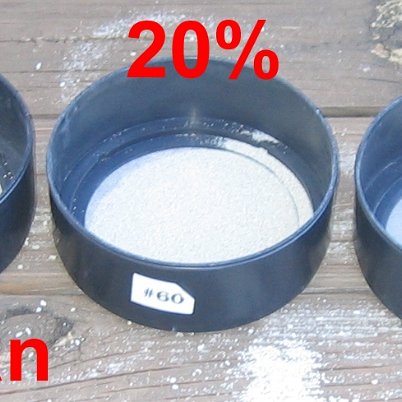
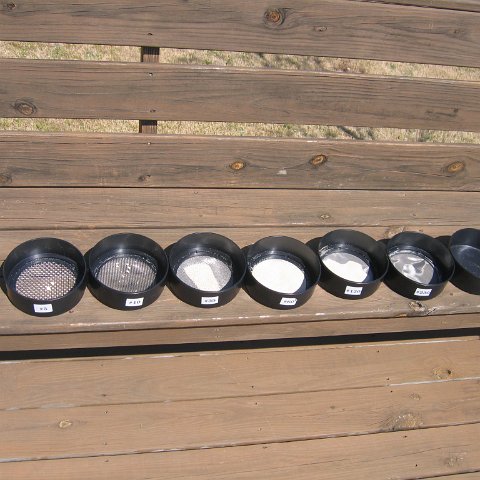
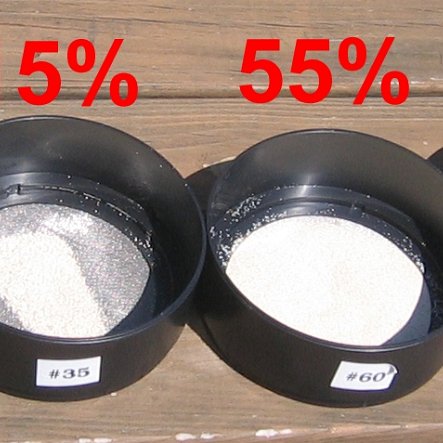
top Another idea distribution of sand for turtle nesting.

Another idea distribution of sand for turtle nesting.

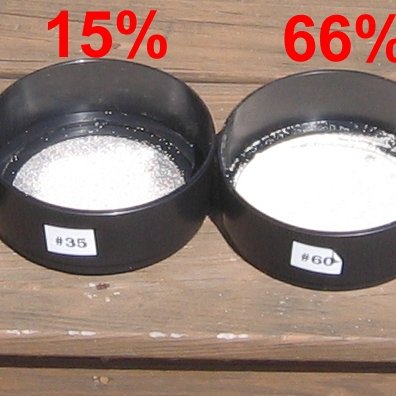
spittop This is an ideal distrubition of sand with a 65% coral 45% shell composition for turtle nesting.  This may solve one of the mysteries as to why turtles choose these islands for nesting over others in the area.

This is an ideal distrubition of sand with a 65% coral 45% shell composition for turtle nesting. This may solve one of the mysteries as to why turtles choose these islands for nesting over others in the area.

staffquartersht The extra large aggregates are likely from island erosion.

The extra large aggregates are likely from island erosion.

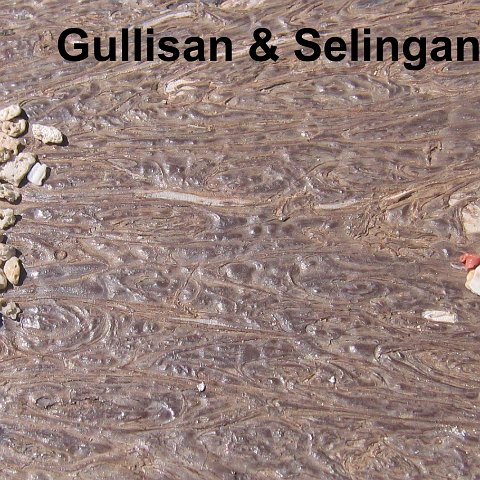
gullisanwtop The top of Gullisan is very similar to the top of Selingan.

The top of Gullisan is very similar to the top of Selingan.

coraltoshellratio In order to know the percentage of sand making it to the island from various sources we counted individual grains.  65% Corals, 45% Shells and no coraline algae dust, terrestral rock were found.
Analsysis was the same for both Gullisan & Selingan Island.

In order to know the percentage of sand making it to the island from various sources we counted individual grains. 65% Corals, 45% Shells and no coraline algae dust, terrestral rock were found. Analsysis was the same for both Gullisan & Selingan Island.

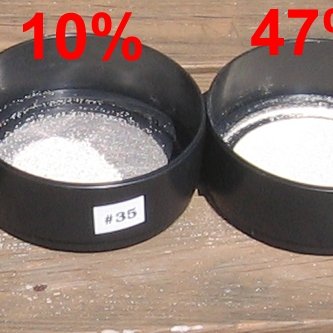
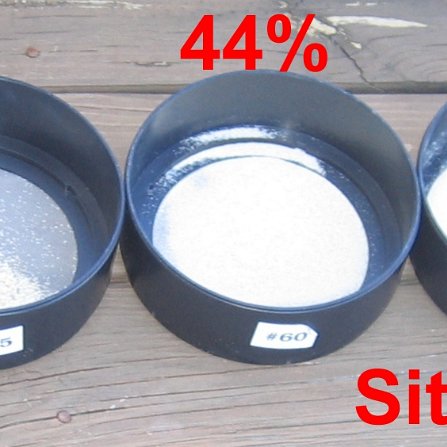
site4selinganunderwater The number for the f#5 sieve is probably artificially high due to one large coral chunk in the same (circled in blue).

The number for the f#5 sieve is probably artificially high due to one large coral chunk in the same (circled in blue).

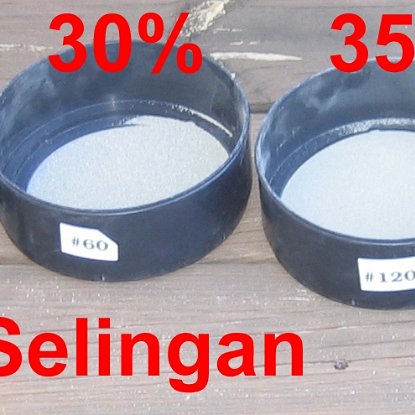
site5selinganunderwater Fairly close to beach top sand, this site is close to shore.  The profile samples reveled, as expected, that sands are sorting from deep to shallow as they  approach the island.

Fairly close to beach top sand, this site is close to shore. The profile samples reveled, as expected, that sands are sorting from deep to shallow as they approach the island.

site6selinganunderwater This was the site we were most interested in exploring for sand renourishment since the resource was so large.  The sand had a large amount of super fines & mud.  It has a strong organic odor indicating live sand.  Even bleached it was not white but grey in color.

This was the site we were most interested in exploring for sand renourishment since the resource was so large. The sand had a large amount of super fines & mud. It has a strong organic odor indicating live sand. Even bleached it was not white but grey in color.

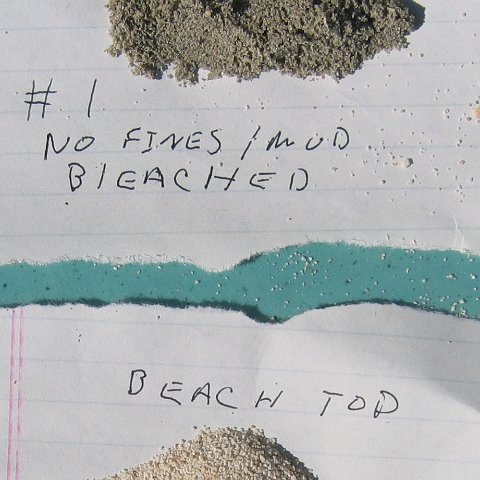
sortedbleacheddeepwatercomparedtoislandsand We wanted to find out if we could transfer sand from offshore to build the beach on Selingan Island.  The sand from the deep was muddy so we sorted out all the fines and mud, then be bleached the sand but still it was NOT compatible with the natural sands of the islands.  Therefore, sand renourishment is not an option (unless transfered within the atoll shelf itself).

We wanted to find out if we could transfer sand from offshore to build the beach on Selingan Island. The sand from the deep was muddy so we sorted out all the fines and mud, then be bleached the sand but still it was NOT compatible with the natural sands of the islands. Therefore, sand renourishment is not an option (unless transfered within the atoll shelf itself).

site3selinganunderwater What was most interesting here was that Site 3 had so many course aggregates.  As it was near the edge of the atoll shelf, this is probably where primary sand production is occuring.

What was most interesting here was that Site 3 had so many course aggregates. As it was near the edge of the atoll shelf, this is probably where primary sand production is occuring.

site2selinganunderwater


All images are copyrighted 1993-2007 (C) by Reef Ball Foundation, Inc. and by the original photographers. High resolution versions of most newer images are available by emailing your request to reefball@reefball.com. (please provide the URL of the photo requested) Use of images requires a link to www.reefball.org crediting Reef Ball Foundation as the photo source. Please email any photos you have with Reef Ball images to us and we will post in this photo database. Please indicate if you are freely sharing the photos or wish to retain your original copyrights and we will note that when posted.